The Institute conducts applied, place-based science to understand and sustain the waters that support communities, working lands, and ecosystems across the Trans-Pecos. Our work translates research into knowledge that informs land stewardship, water management, and conservation decisions.
Photo © Earl Nottingham, TPWD
Applied Research
We focus on real-world water challenges in Far West Texas by integrating field research, long-term monitoring, and collaboration with landowners, agencies, and regional partners. Our research spans groundwater and surface water systems, recognizing that biological communities, water availability, and land management are deeply interconnected.
We are committed to addressing community-identified needs, aligning with partner priorities, and leveraging Sul Ross State University’s faculty expertise and research capabilities to generate actionable, decision-relevant science.
Focal Research Areas
Groundwater Systems
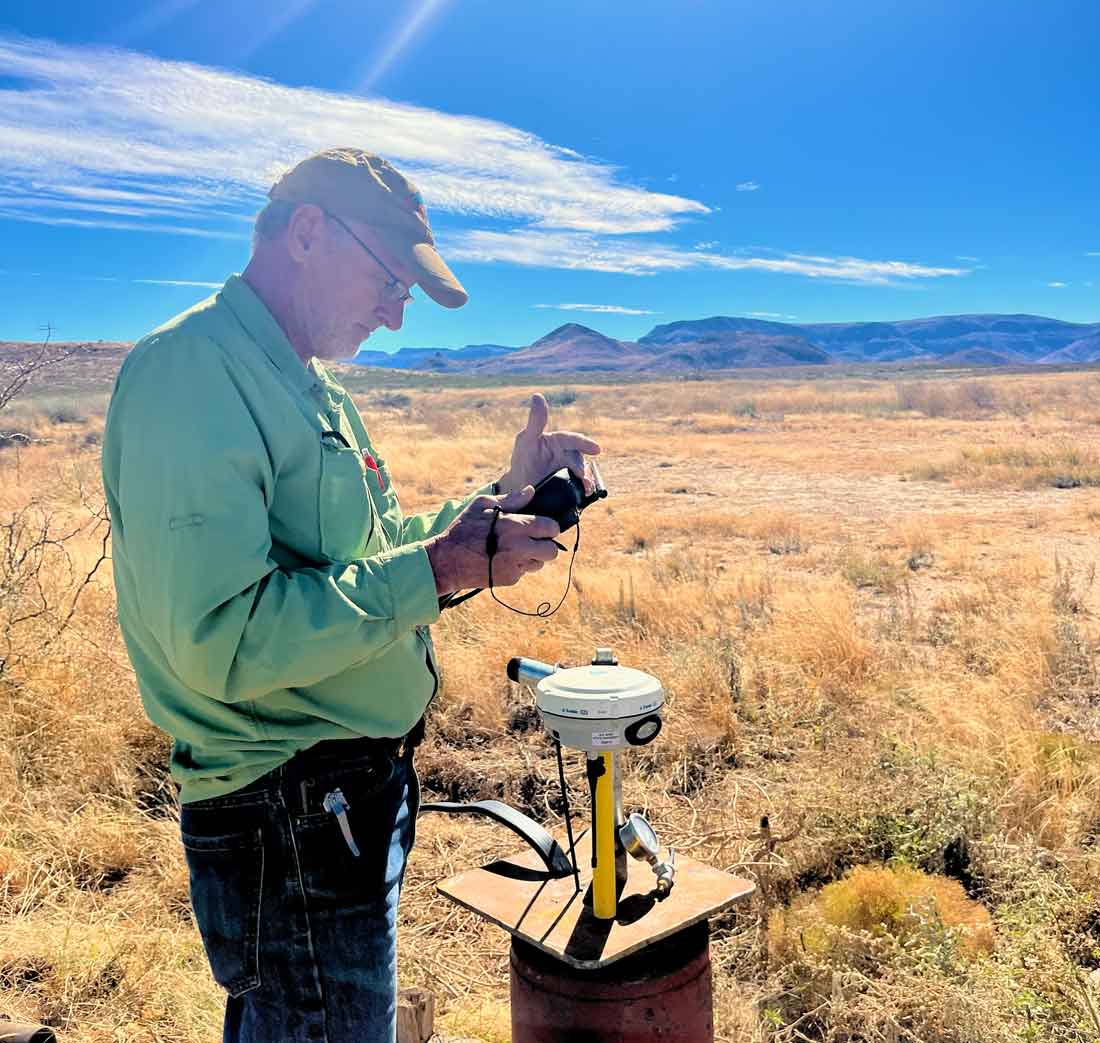
We study how aquifers store and supply water, how rainfall replenishes them, and what factors influence long-term groundwater reliability. Tracking water levels, recharge patterns, and aquifer conditions across the Trans-Pecos helps landowners, groundwater districts, and communities plan for sustainable water use.
Groundwater–Surface Water Interactions
In arid landscapes, groundwater and surface water are tightly linked. Meadows Research Institute scientists examine how groundwater contributes to spring flow, streams, and rivers—and how changes in groundwater conditions affect surface water availability and ecosystem health.
Desert Spring Systems
Desert springs such as San Solomon Springs and Independence Creek provide critical water for people, wildlife, and ecosystems. We study spring flow, water quality, and the condition of spring-fed habitats, generating science that supports spring protection, restoration, and long-term stewardship.
Watersheds, Riparian Zones, and Land Management
We examine how rainfall, land use, and restoration practices influence water movement, riparian habitats, and overall watershed health—helping inform land management strategies that enhance resilience and recharge.
Applied Partnerships
Partnerships with landowners, water districts, agencies, and conservation organizations are central to turning science into practical strategies and tools. Through long-term monitoring, field research, and place-based expertise, the Institute helps support resilient water systems, healthy ecosystems, and sustainable working lands across the Trans-Pecos—preparing the region for today’s challenges and tomorrow’s uncertainties.
Education & Workforce Development
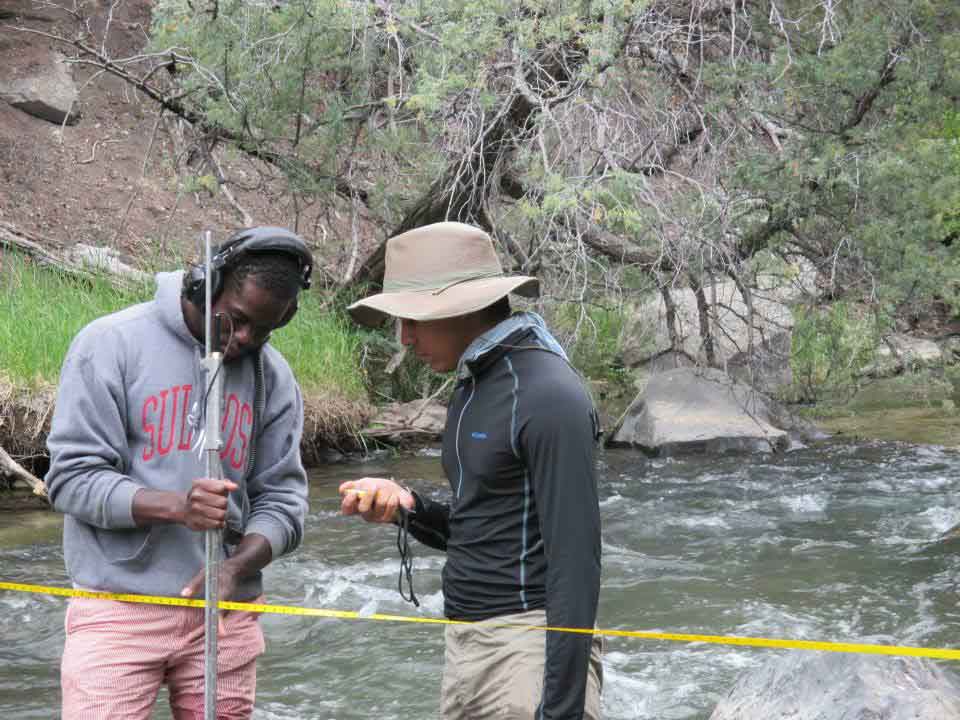
Texas—and West Texas in particular—faces a growing water workforce challenge as experienced professionals retire and demand for water expertise increases. The Meadows Research Institute for West Texas Water is building education and training pathways over time to prepare the next generation of water scientists, managers, and practitioners.
Our efforts include:
- Academic degree and certificate pathways aligned with regional water needs.
- Experiential learning through field-based research and applied projects.
- Student research opportunities that connect science with management and policy.
- Career pathways supporting placement in agencies, utilities, consulting, and conservation organizations.
Technical Assistance & Community Support

A core function of the Meadows Research Institute for West Texas Water is translating science into practical tools, services, and information that support informed decision-making across the region. Building on trusted relationships throughout the Trans-Pecos, the Institute is developing technical assistance and outreach services designed to meet priority needs of landowners, communities, groundwater districts, and rural utilities. These efforts will continue to evolve through ongoing engagement with partners and stakeholders, ensuring services remain relevant, accessible, and grounded in real-world conditions.
Current and Emerging Areas of Support
Regional Groundwater Data & Dashboard (In Development)
The Meadows Research Institute is working toward an interactive, regionally relevant groundwater dashboard that will compile and visualize monitoring data, water levels, and related information to support stewardship, planning, and applied research.
Water Quality Testing (In Development)
The Meadows Research Institute plans to offer water quality testing services for private and municipal wells, providing landowners and communities with critical information while contributing to broader understanding of regional water quality conditions.
Landowner & Community Outreach
Through workshops, field days, and one-on-one engagement, the Meadows Research Institute supports landowners and communities with science-based information related to water conservation, land management, recharge enhancement, and spring and riparian stewardship.
Water 101 & Resource Library
The Meadows Research Institute is developing accessible educational resources—such as a “Water 101” series, fact sheets, and short explainers—to help translate complex water science into practical, place-based knowledge. These materials will serve as both a public resource library and a foundation for broader outreach and communications.
Support for Rural Utilities & Funding Navigation
As capacity allows, the Meadows Research Institute will assist rural water and wastewater providers by sharing technical information, workforce training opportunities, and guidance on navigating funding and grant resources relevant to water infrastructure and stewardship projects.